

三星电子正在开发一款可以全天候工作的人形机器人,可能于明年1月在拉斯维加斯CES 2027上首次亮相,这家韩国科技巨头正加速追赶机器人市场的全球领先者。据业内人士周一透露,三星电子负责机器人业务的机器人体验(RX)部门正在首尔南部瑞草区牛眠洞的首尔研发园区测试一款设计用于工业环境中24小时运行的机器人。该机器人正在学习在制造和物流环境中导航周围环境并执行重复性任务,例如运输货物。
Samsung Electronics is developing a humanoid robot that can work around the clock, potentially debuting at CES 2027 in Las Vegas next January, as the Korean tech giant accelerates efforts to catch up with global leaders in the robotics market. According to industry sources on Monday, Samsung Electronics' Robotics eXperience (RX) division, which oversees robotics operations, is testing a robot designed to operate 24 hours a day in industrial settings at its Seoul R&D Campus in Umyeon-dong, Seocho District, southern Seoul. The robot is learning to navigate its surroundings and perform repetitive tasks, such as transporting goods, in manufacturing and logistics environments.
据报道,正在开发的这款机器人是双足人形机器人。一位业内人士表示,三星电子及其合作公司的员工分三班全天候监控机器人的运行。据报道,三星正在考虑几个候选方案,包括目前正在测试的机器人,可能在CES 2027上进行展示。长时间运行能力已成为全球机器人行业的主要竞争领域。随着人形机器人从行走和跑步的演示转向在制造和物流设施中的实际部署,它们在没有人工干预的情况下长时间可靠工作的能力已成为商业化的关键基准。
The robot under development is reportedly a bipedal humanoid. An industry source said employees from Samsung Electronics and its partner companies monitor the robot's operations around the clock in three shifts. Samsung is reportedly considering several candidates, including the robot currently undergoing testing, for a possible showcase at CES 2027. The ability to operate for extended periods has become a major area of competition in the global robotics industry. As humanoid robots move beyond demonstrations of walking and running to actual deployment in manufacturing and logistics facilities, their ability to work reliably for long periods without human intervention has emerged as a key benchmark for commercialization.
目标不一定是让机器人在一次充电后运行24小时,而是通过实现连续运行来最大化其正常运行时间。一项正在获得关注的技术是热插拔,它允许在不关闭系统的情况下更换电池。通过消除每次更换电池后重启机器人的需要,该技术最大限度地减少了停机时间。由于三星也瞄准一年365天全天候运行,行业观察人士认为该公司可能会采用类似的电源管理系统。
The goal is not necessarily to keep a robot running for 24 hours on a single charge but to maximize its uptime by enabling continuous operation. One technology gaining traction is hot swapping, which allows batteries to be replaced without shutting down the system. By eliminating the need to reboot the robot after each battery change, the technology minimizes downtime. With Samsung also targeting round-the-clock operation, 365 days a year, industry observers believe the company may adopt a similar power management system.
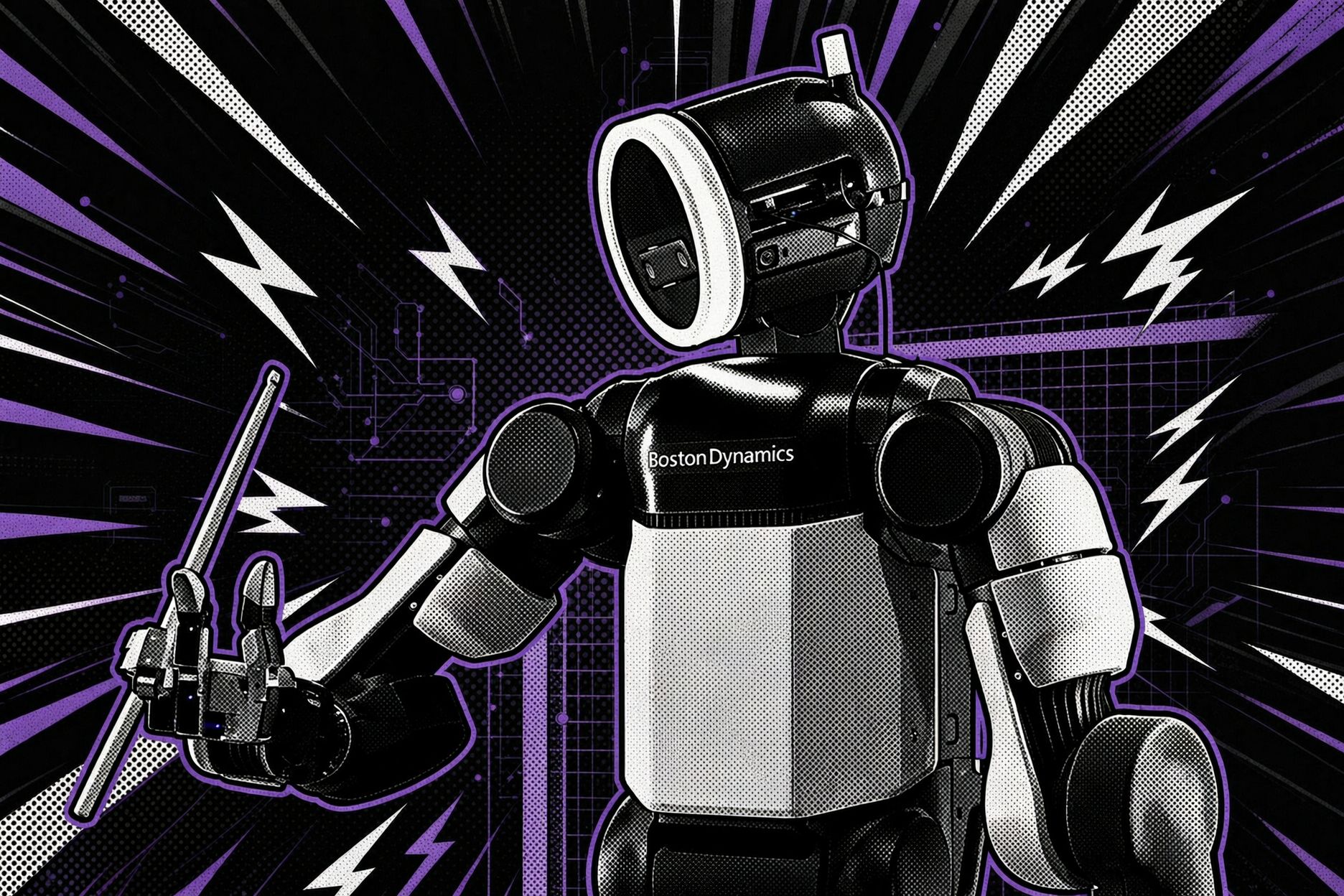
领先的机器人公司已经将此类技术推向商业化。现代汽车集团子公司波士顿动力开发的人形机器人Atlas在正常工作条件下可以运行约四个小时,然后自主更换电池。这个过程大约需要三分钟,之后机器人恢复工作。中国机器人公司优必选为其Walker S2人形机器人配备了自动热插拔电池系统。使用两块电池,机器人可以在大约三分钟内自行更换电池,该公司宣传其能够每周7天、每天24小时连续运行。
Leading robotics companies have already brought such technologies close to commercialization. Atlas, a humanoid robot developed by Hyundai Motor Group subsidiary Boston Dynamics, can operate for approximately four hours under normal working conditions before autonomously replacing its battery. The process takes about three minutes, after which the robot resumes work. Chinese robotics company UBTECH has equipped its Walker S2 humanoid with an automated hot-swappable battery system. Using two batteries, the robot can replace its own battery in approximately three minutes, with the company promoting its ability to operate continuously 24 hours a day, seven days a week.
三星也在通过组织重组、招募外部人才和内部技术开发的广泛战略,加大在机器人市场追赶的力度。今年7月,该公司在CEO卢泰文直接监督下成立了RX部门,整合了此前分散在公司不同部门的机器人硬件、软件和管理能力。通过将从中长期战略制定到核心技术研究和商业化的所有事务置于一个组织之下,三星旨在加快决策速度。该公司还加大了招聘力度,从全球主要科技公司引进了几位副总裁级高管加入RX部门。
Samsung is also stepping up efforts to catch up in the robotics market through a broad strategy combining organizational restructuring, recruitment of outside talent, and in-house technology development. In July, the company established the RX division under the direct supervision of CEO Roh Tae-moon, consolidating robotics hardware, software, and management capabilities previously scattered across different parts of the company. By placing everything from mid- to long-term strategy development to core technology research and commercialization under a single organization, Samsung aims to accelerate decision-making. The company has also intensified recruitment efforts, bringing in several vice president-level executives from major global technology companies to the RX division.
三星研究院 meanwhile开发了先进的机器人手技术,能够抓取、组装和连接电线等柔性物体,这些任务需要高度的精度和灵活性。三星在智能手机、半导体和家电领域的广泛制造基础设施也可能为其追赶竞争对手提供优势。通过利用自己的工厂作为试验场,该公司可以快速积累真实世界的运营数据,并不断改进机器人的性能。三星打算先在工业环境中验证其机器人技术,然后再扩展到能够执行家务和护理任务的家用和服务机器人,利用其现有的家电业务。
Samsung Research meanwhile has developed advanced robotic hand technology capable of grasping, assembling, and connecting flexible objects such as electrical wires—tasks requiring a high degree of precision and dexterity. Samsung's extensive manufacturing infrastructure across smartphones, semiconductors, and home appliances could also give it an advantage in catching up with competitors. By using its own factories as testing grounds, the company can rapidly accumulate real-world operational data and continuously refine its robots' performance. Samsung intends to validate its robotics technologies in industrial environments before expanding into household and service robots capable of performing domestic chores and caregiving tasks, drawing on its existing home appliance operations.
三星RX部门机器人实验室负责人Kris Hauser在上个月举行的Samsung AI Forum 2026上承认,该公司进入机器人市场可能比竞争对手晚。然而,他强调,三星管理层认识到开发可盈利的通用机器人将是一项长期挑战,并正在采取审慎的做法。他还表示相信三星有能力迅速缩小与竞争对手的差距并最终超越它们,并引用了该公司从后面追赶的记录。
Kris Hauser, head of the Robotics Lab at Samsung's RX division, acknowledged at the Samsung AI Forum 2026 held last month that the company may have entered the robotics market later than competitors. However, he emphasized that Samsung's management recognizes that developing profitable, general-purpose robots will be a long-term challenge and is taking a measured approach. He also expressed confidence in Samsung's ability to quickly close the gap with competitors and eventually overtake them, citing the company's track record of catching up from behind.


